
No products in the cart.

Red Dates vs Dates: Jujube and the Date Palm, Untangled
“Red dates” and the dates we grow are two entirely different fruits from two unrelated trees. Red dates — also called jujubes or Chinese dates (红枣, hóngzǎo) — grow on a small thorny tree, Ziziphus jujuba. The dates on this farm grow on the date palm, Phoenix dactylifera. They share a name in English and a wrinkled look when dried, and that’s where the relationship ends. We grow the palm kind in California’s Coachella Valley, and we get this question often enough to settle it properly.

The five-second tell
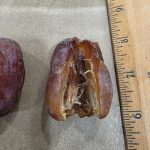
- Red date (jujube): round to oval, cherry-to-plum sized, thin papery red-brown skin, a light crisp apple taste when fresh and a mild, faintly tart sweetness when dried. Spongy rather than chewy.
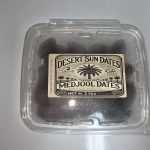
- Palm date (Medjool, Zahidi, Barhi…): oblong, deep brown to amber, dense and chewy, intensely sweet — caramel, honey, brown sugar. One Medjool has more sugar than a handful of jujubes.
Different kitchens, different jobs
Red dates are a cornerstone of Chinese and Korean cooking and traditional wellness: simmered into soups and congee, steeped into jujube tea with ginger, tucked into samgyetang, brewed for postpartum care. They flavor a broth more than they sweeten it.
We grow these. Golden Zahidi Dates — Nutty, Less Sweet, Never Sticky | California Farm-Direct from our family farm in Sky Valley, California — from $15/lb, shipping included. See them →
Palm dates are the sweet ones — eaten out of hand, stuffed, blended into shakes, smashed into date bark, and doing the work of sugar in baking, syrup, and paste. A recipe that wants “dates” for sweetness — energy balls, sticky toffee pudding, date paste — always means palm dates. A soup or tea recipe calling for “red dates” always means jujubes. Swapping them doesn’t work in either direction: jujubes can’t sweeten, and a Medjool would turn a savory broth into dessert.
Nutrition, honestly
Both are real whole fruits. Jujubes are lower in sugar and calories and famous for vitamin C when fresh; palm dates are denser in energy, potassium, and fiber — closer to nature’s energy bar. Neither is “healthier”; they’re different tools. If your goal is replacing refined sugar with fruit, that’s the palm date’s job. If you’re brewing a warming tea, that’s the jujube’s.
Where to get each
Jujubes: Asian groceries carry dried red dates year-round, and California orchards sell fresh ones in early fall. Palm dates: that’s us — grown, picked, and shipped from our own farm, soft jumbo Medjool and golden Zahidi, shipping included. Curious about the broader family? Our guide to date varieties goes deep.
If it’s the sweet kind you’re after, it grows here: Shop Medjool → · Shop Zahidi
From our farm to your door
We grow every date we sell on our family farm in Sky Valley, California. Shipping is included in the price to the lower 48.
- Jumbo Medjool Dates — large, soft, caramel-sweet, from $19
- Golden Zahidi Dates — firm, nutty — the baking date, from $15
- Barhi Dates — butterscotch, creamy, seasonal, between harvests